
What the House Edge Really Measures in 2026
The house edge is the casino’s long-term average profit on a wager, expressed as a percentage of the initial stake. If a game lists a 2% edge, the expected loss is $2 for every $100 bet over a large sample. It is the mirror of RTP (return to player), so Edge = 100% − RTP. Importantly, edge is a property of the game’s math and rules, not a prediction of any one session.
RTP, Variance, and Pace
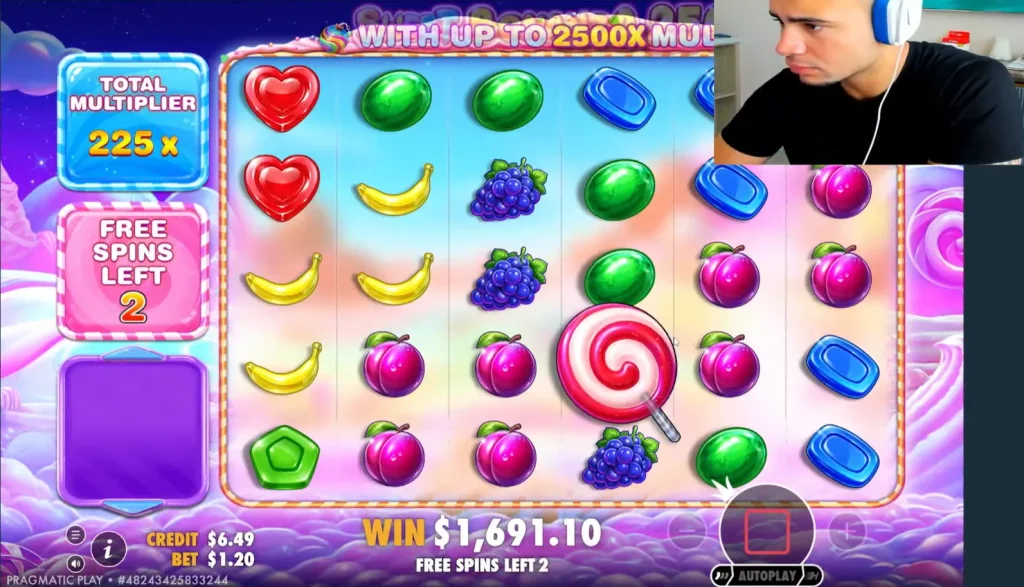
RTP tells you how much comes back on average; variance tells you how bumpy the road feels. Two 96% RTP slots can behave wildly differently if one concentrates payback in rare big hits while the other sprinkles small wins. The pace of decisions per hour also matters: a modest edge played at turbo speed can drain a bankroll faster than a higher edge played slowly.
In 2026, disclosures are clearer, but complexity has grown. Dynamic rule sets, optional side bets, and variable-RTP configurations mean one “game” can offer multiple edges. Reading the info panel and understanding which features you’ve enabled is now as vital as knowing basic strategy used to be.
How Edges Differ by Game and Rule Set
Edges swing dramatically with seemingly minor rule changes. Single-zero roulette sits near 2.70%, while adding the double zero pushes American roulette to 5.26%. Blackjack can range from under 0.5% with favorable rules and correct basic strategy to several percent when you face 6:5 payouts or take high-edge side bets. Baccarat’s banker bet is efficient; the tie is not.
| Game/Variant | Typical House Edge (2026) | Skill/Notes |
|---|---|---|
| Blackjack, good rules, basic strategy | 0.4%–1.0% | 6:5 payout or restricted doubling raises edge |
| Roulette, European (single zero) | 2.70% | La Partage/En Prison lowers even-money bets to ~1.35% |
| Roulette, American (double zero) | 5.26% | All standard bets share the same edge |
| Baccarat, Banker/Player | 1.06% / 1.24% | Tie ~14% edge; avoid except for promos |
| Craps, Pass/Don’t Pass | 1.41% / 1.36% | Taking odds has 0% edge; combine with line bets |
| Video Poker, full-pay JoB | ~0.46% (vs player) | Requires perfect strategy; short pays swing edge hard |
| Online Slots | 2%–12%+ | RTP varies by site; features can change edge |
Live-dealer vs RNG rarely alters the mathematical edge if rules match; what changes is pace and bet sizing. Side bets across table games often exceed 5%–10% edge, sometimes far more—treat them as entertainment, not long-run value.
Paytables are the hidden lever. In video poker or keno, a single-row change can flip a fair-ish game into a pricey one. Always compare the paytable you are playing to a known optimal chart.
Short-Term Results vs Long-Term Expectation
Why your lucky streak says little about the edge
Short samples are dominated by variance. A few premium hands in blackjack or a bonus round landing early can make a night look profitable even as you are swimming upstream against the edge. The edge reveals itself only across thousands of trials, not dozens.
A practical way to think about outcomes: your actual result equals expectation (edge × total wagered) plus noise (variance). You control the expectation by choosing the game and rules; you feel the noise minute to minute. Managing the noise is bankroll and pace management, not superstition.
- Track decisions played and total wagered (“handle”).
- Identify the game’s edge from rules or info panel.
- Compute expected loss = handle × edge.
- Compare result to expectation; big gaps are normal short-term.
- Change what you can: rules, pace, and bet sizing.
Practical Ways to Reduce the Edge
Speed and Stakes
Even small edges become expensive when multiplied by rapid decisions. Slowing down—fewer spins, no auto-play, longer table conversations—reduces your expected loss per hour without altering the math of each bet.
- Pick rules first: single-zero roulette, 3:2 blackjack, banker in baccarat.
- Avoid high-edge side bets unless targeted by a genuine promo overlay.
- Use basic strategy or a paytable chart; skill trims edge where allowed.
- Prefer transparent RTP titles; read the info screen for ranges and features.
- Leverage comps and cashback as real value, but never chase them.
- Favor games that allow 0% add-ons (e.g., craps odds) to dilute overall edge.
Promotions matter. Cashback, loss rebates, or low-wagering bonuses can effectively reduce the edge on your session. The key is net value after terms: wagering requirements, max-bet caps, and game weighting determine whether a promo helps or quietly increases exposure.
Pacing your bankroll—fixed session lengths, stop-losses, and win goals—won’t change the edge, but it contains variance and protects you from the most expensive hour of the night: the one after tilt sets in.
2026 Trends and Player Tools
Regulators increasingly require RTP ranges and rule summaries in the game UI. Some markets also nudge operators to standardize vocabulary—edge, RTP, volatility—so players compare apples to apples. These labels make it easier to select low-edge options without scouring forums.
Tooling is better too: strategy trainers for blackjack and video poker, variance calculators for slots, and session trackers embedded in wallets. Expect more responsible-play nudges, like custom pace caps and reality checks that display your expected loss given the current edge and handle.
If you want math-first primers and model-driven insights, one helpful resource is hstikkytokky-official.com. Pair such guidance with the game’s own info page, and you will spot costly rule quirks before they touch your bankroll.
Author’s opinion
The house edge in 2026 is both clearer and easier to misread. Labels are better, but configurable features, side bets, and variable RTP mean players must slow down and verify what version they are actually playing. Selection, not superstition, is the only durable advantage a recreational player owns.
Think of each session as renting entertainment from probability. Rent wisely: pick the lowest-edge rules you can find, play at a humane pace, and let promotions do the heavy lifting. The goal is not to defy the edge—it is to price it, manage it, and enjoy the ride on your terms.